Alt. featured artist series: Emma Hitzman
EMMA HITZMAN
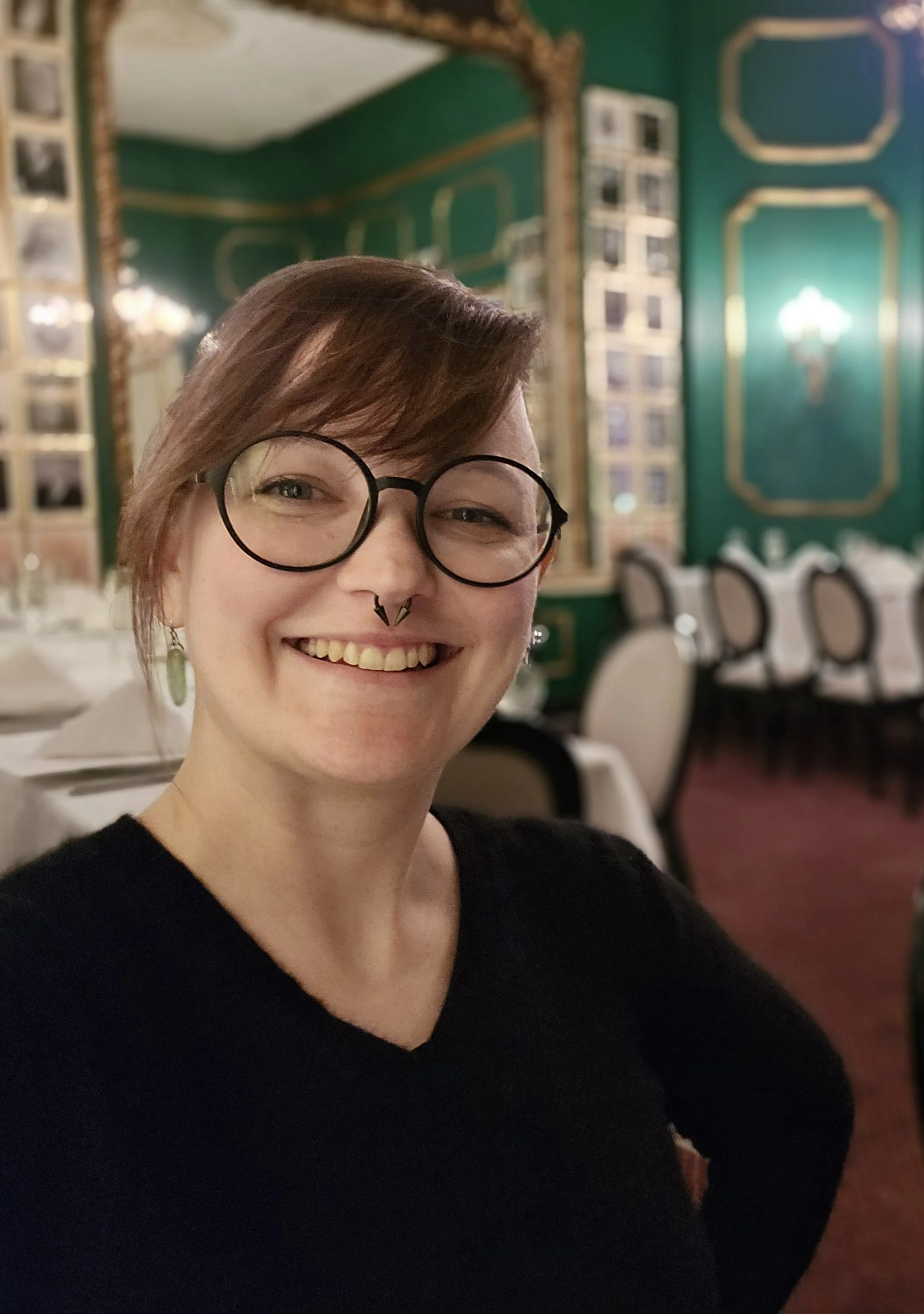
Emma Hitzman was raised in the rural Midwest and has lived in Northeast Wisconsin for a majority of her career. Hitzman's artwork and research centralize around lethargy, digital environments, and how they are explored through alternative photographic processes.
A BIG thank you to our guest interviewer and blog writer, Miranda Dunlap, for all of here hard work and dedication to spotlighting our featured artists!
We are excited to be hosting our fourth gallery show, ALT. - A Photo Opp Gallery opening on October 16, 2026 at our Photo Opp studio space! See Emma’s work and the work of our three other featured artist on our gallery page.
Community Submissions are open through August 10, 2026!
Thank you to our Gallery Presenting Sponsor:

Q: What does the theme “ALT” mean to you personally or artistically?
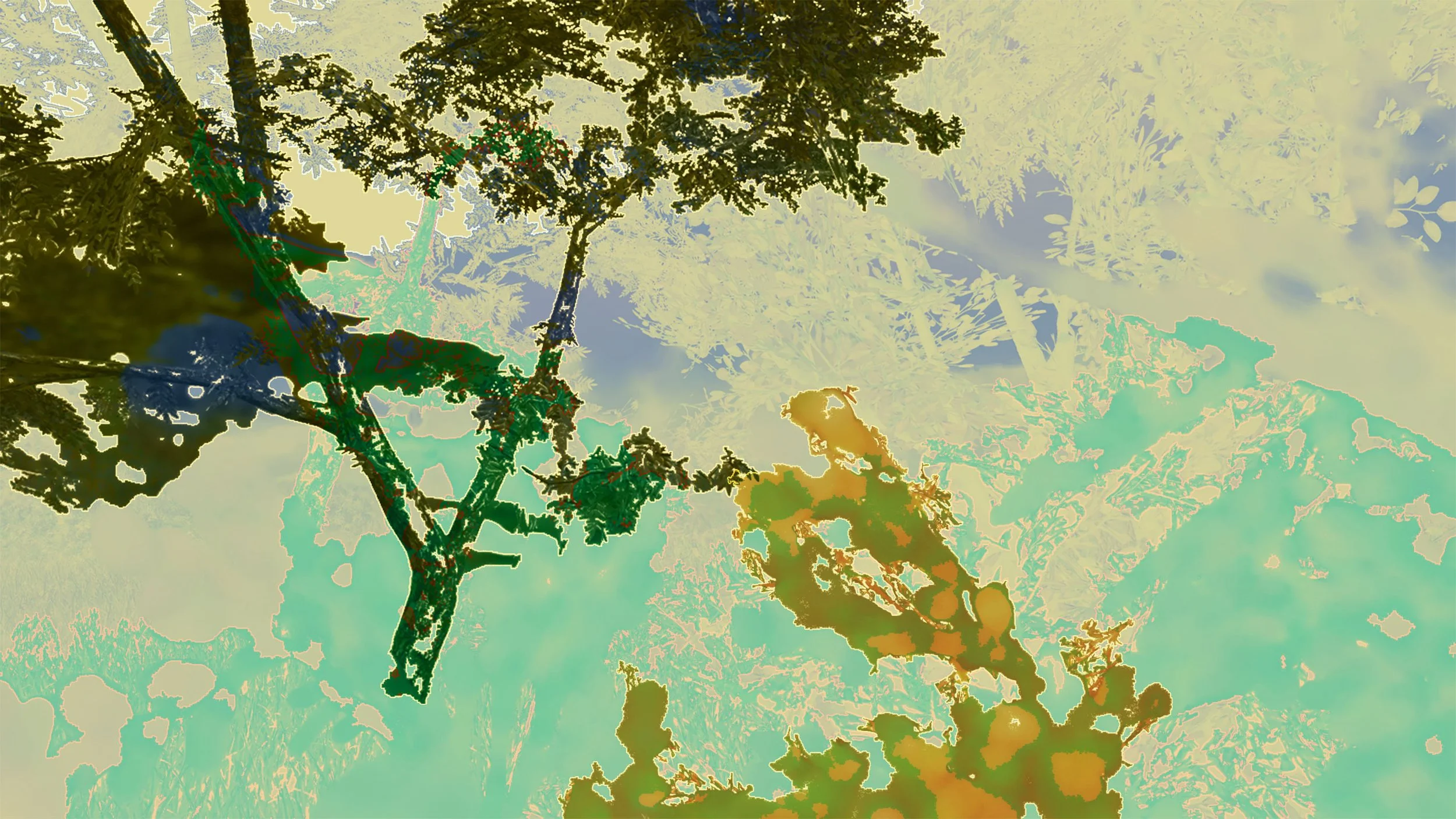
A: “ALT” is really just pushing people's expectations and challenging what they think something is. When it comes to photo, it's trying to push what people think a photograph is, or what a photograph can be. For me, my base is photo. I love photo. I consider my work photographs, but looking directly at them, you wouldn't necessarily say ‘Yes, that is a photograph.’ So for me, “ALT” is, how far can we change, adjust, push this medium before it becomes something else?
Q: Can you describe your creative process when starting a new piece or photo series?
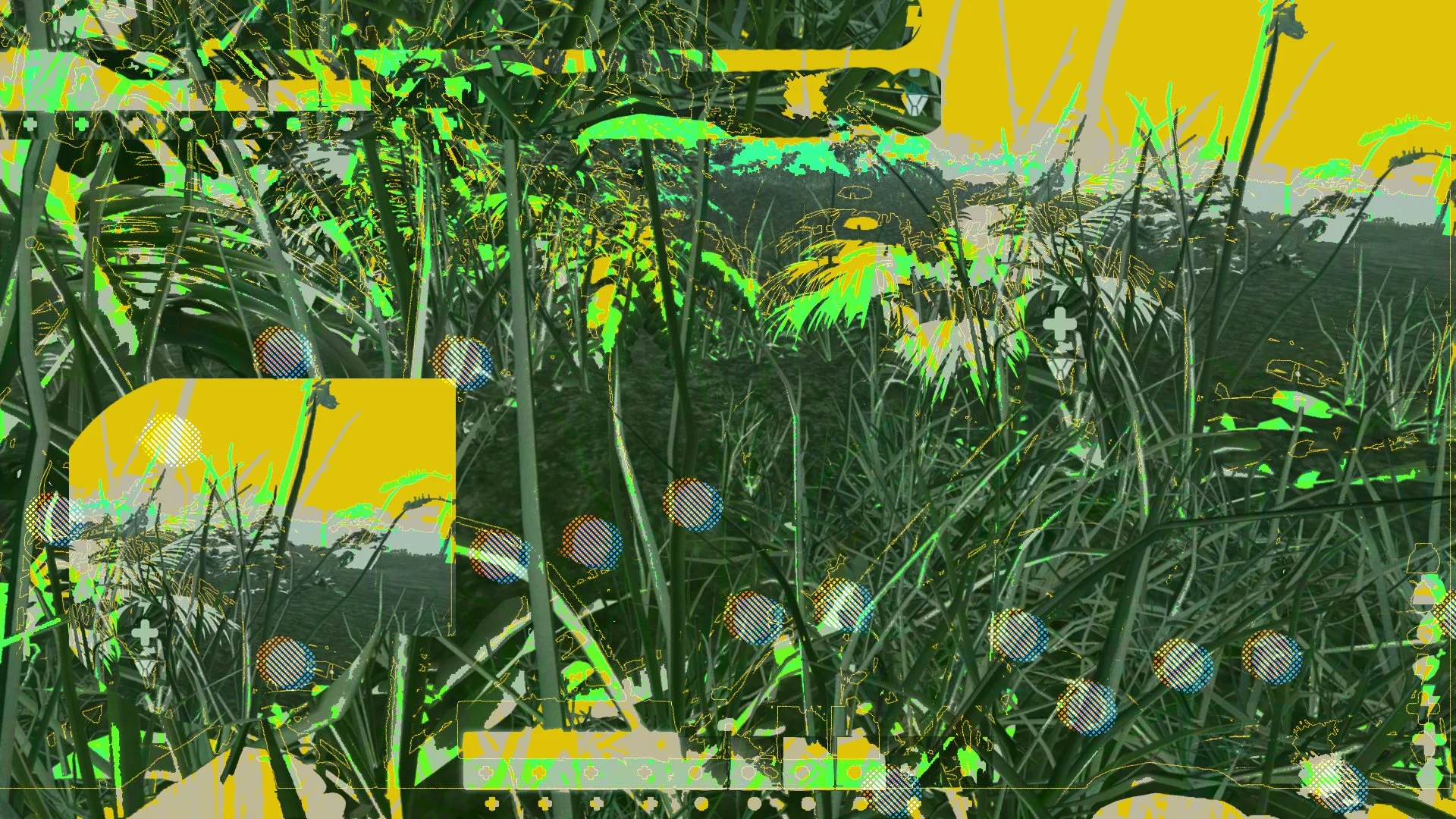
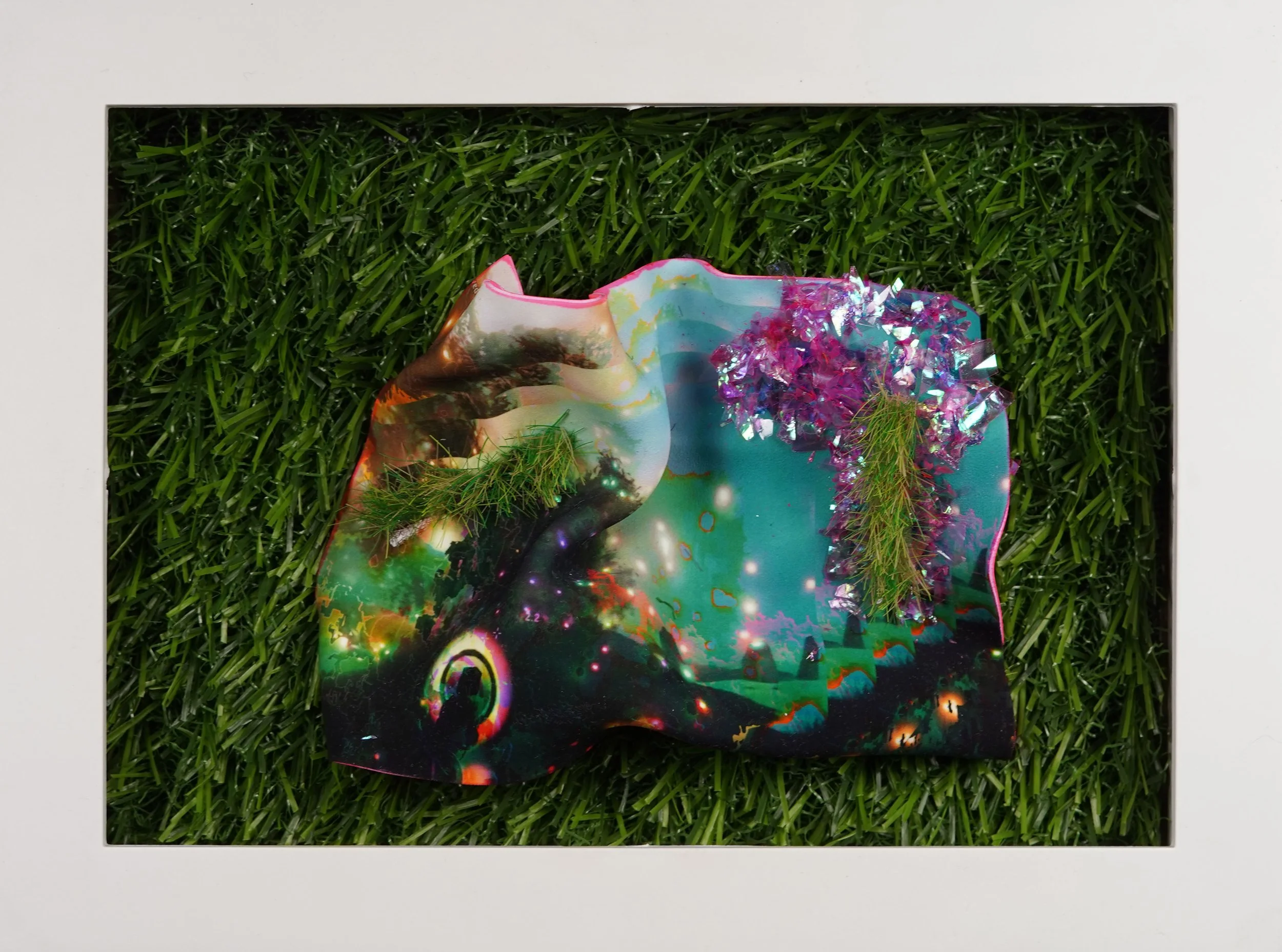
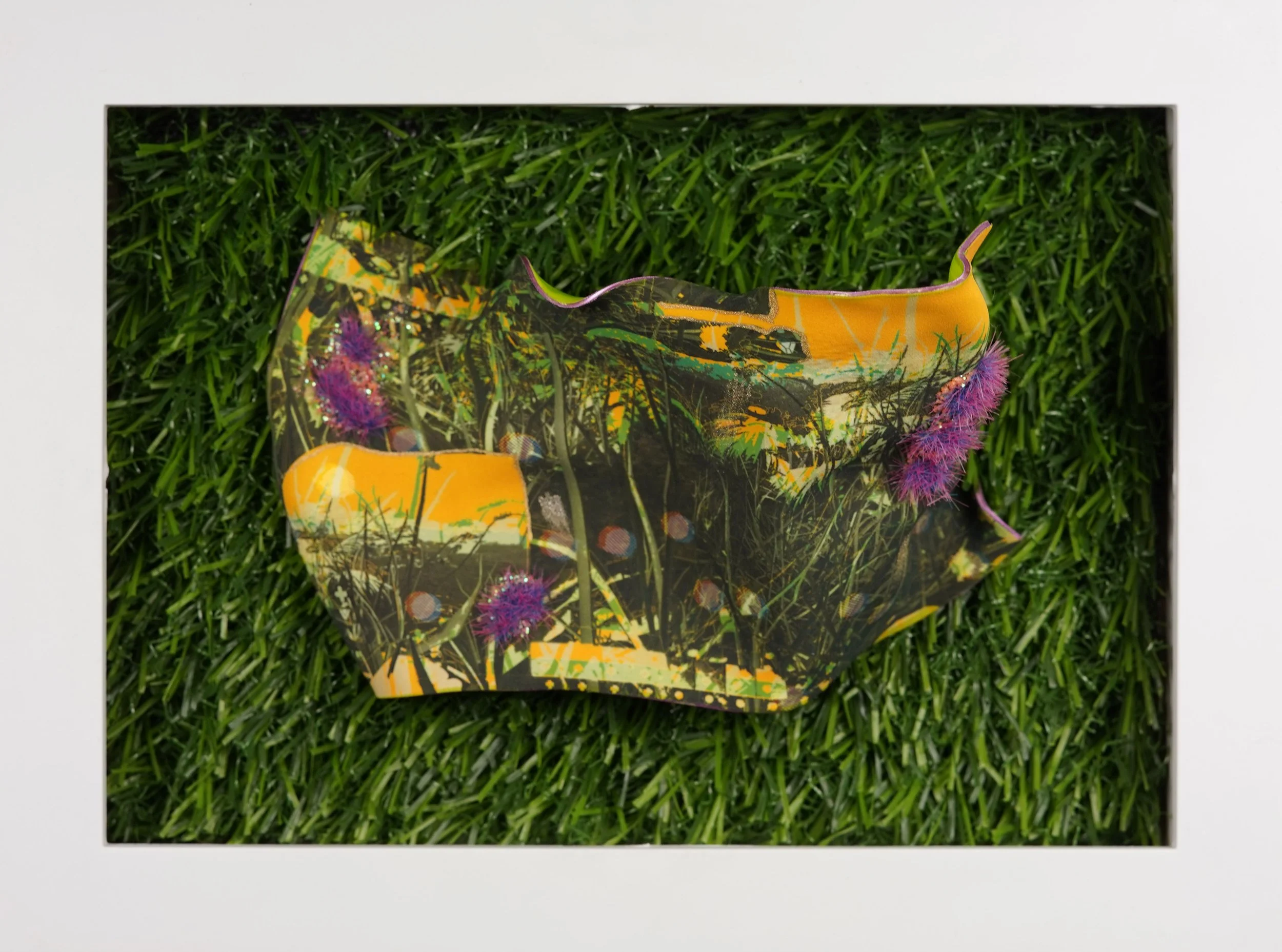
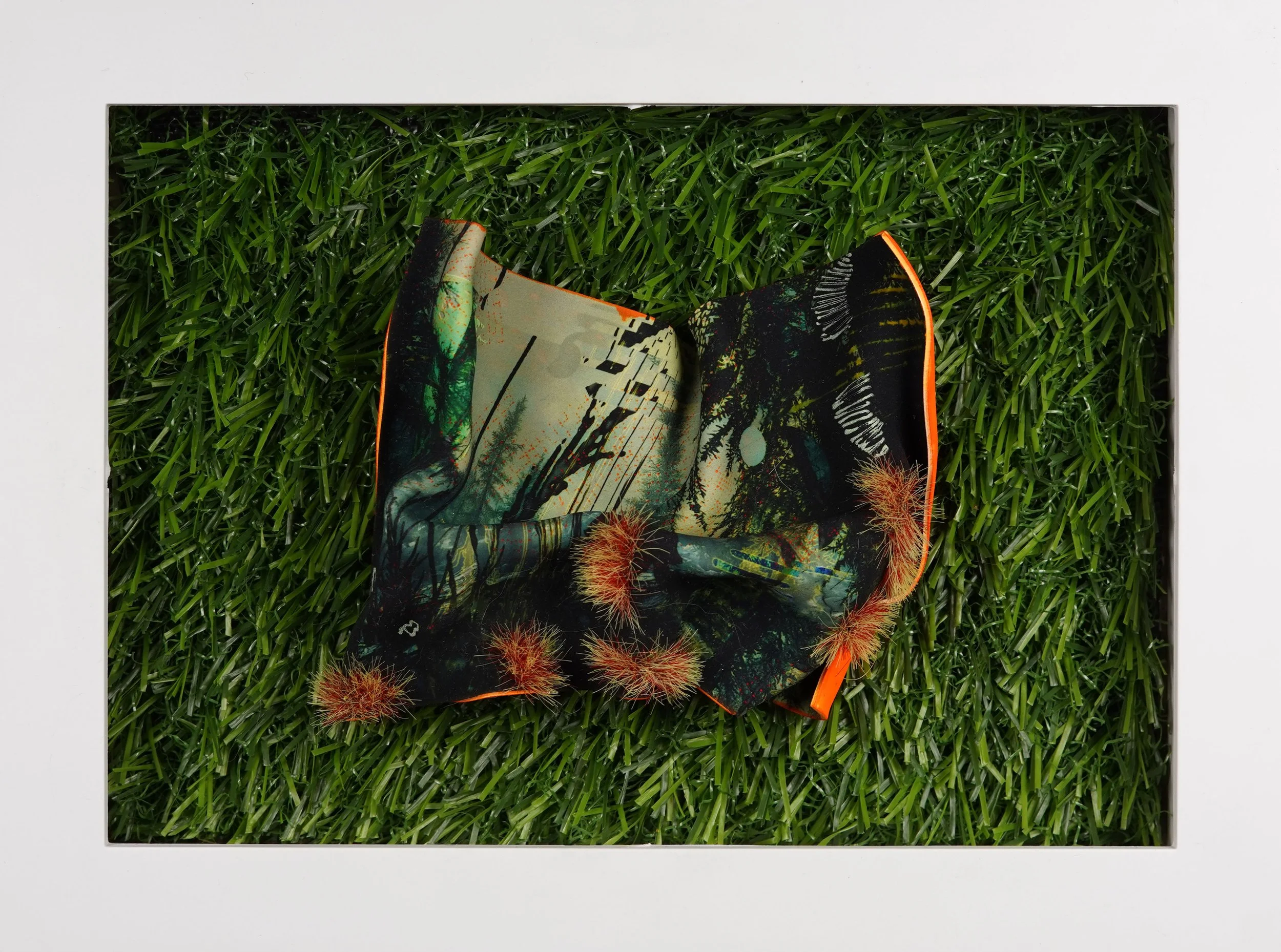
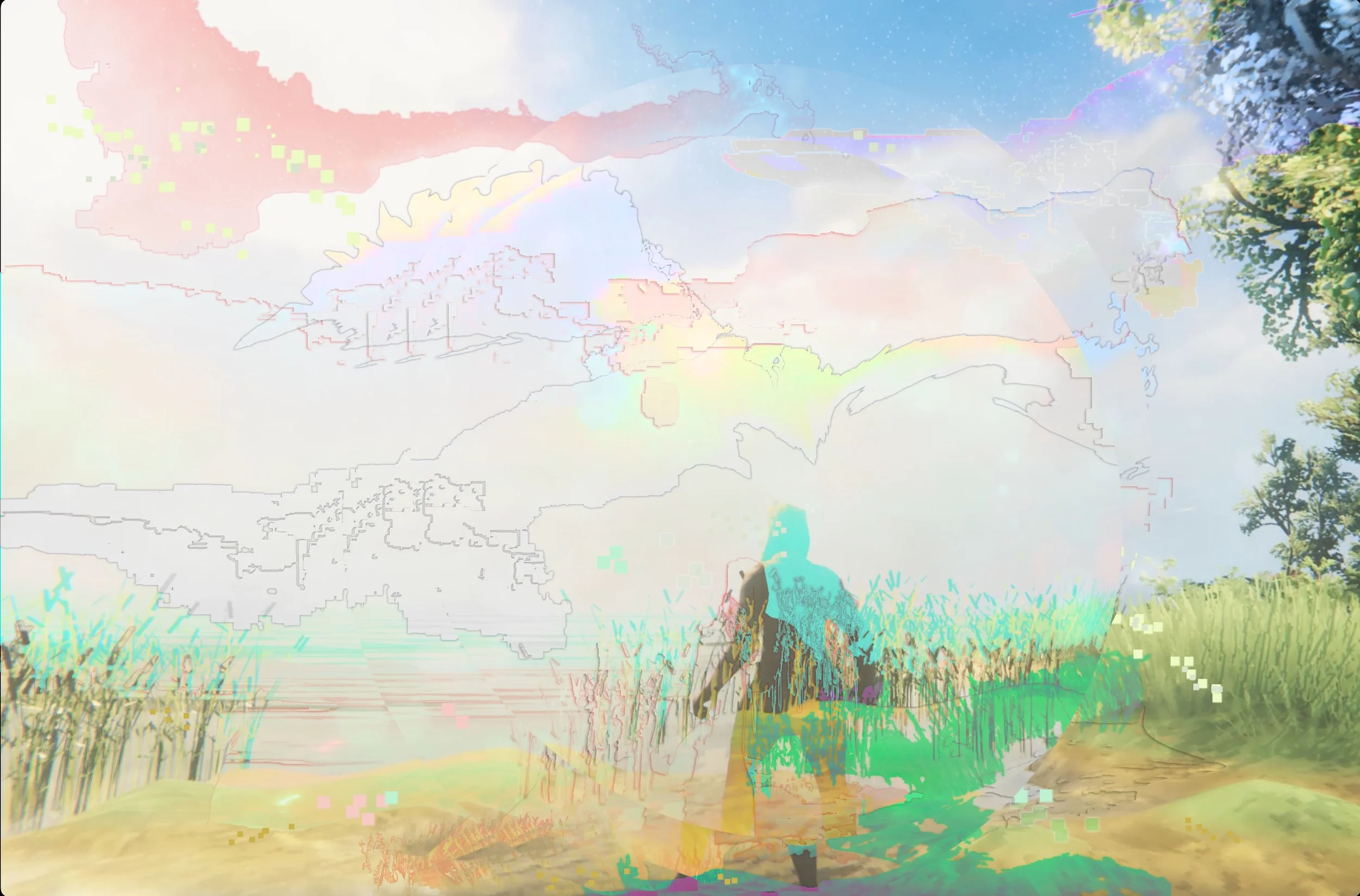
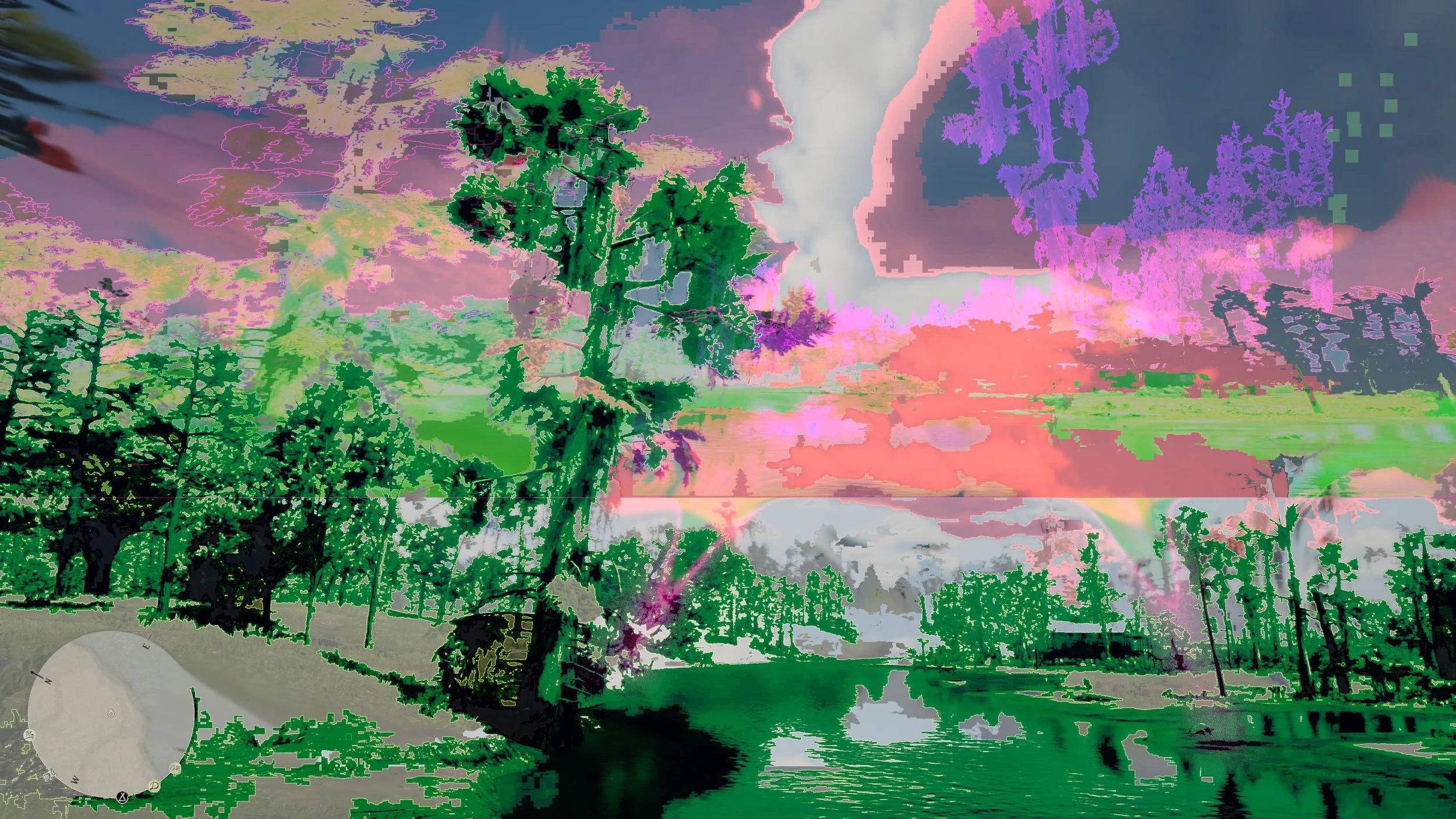
A: When it comes to the actual physical creation of the object. I start with sourcing images. Almost every single one of my images are found images, so I'm not taking a camera out into the world and photographing something that's outside. I’m taking screenshots, or I'm using in-game cameras. My recent series is all sourced from video games. I compile a huge library of images to start from as my base, and then I plug those into Photoshop, and I get to work. It's almost like drawing and collaging and just layering images on themselves over and over and over again. The final work is printed on polystyrene paper that is shrunk, morphed and periodically collaged post-process.
Throughout the whole process, I usually start with this research aspect, where I have something that I'm thinking about or chewing on. I usually do a lot of reading, as well as doing visual research and trying to figure out what sort of visuals I'm looking for.
Then I go through this experimental process where I'm testing out the material. Once I have an idea in my head, trying to get that out into the world is its own process, because nothing ever works right the first time. Materials don't work exactly how you want them to, colors just aren't right, and trying to get that to actually translate can be really difficult.
Once I've nailed it down, then it's this manic making process where I'm just making everything I can as fast as I can, and then it usually ends with this cool down of administrative stuff, where I actually start documenting everything and applying for shows.
Q: Was there a moment, subject, or experience that pushed you to see things differently?
A: I read the book “Art and Fear,” which was a mind opener in that regard. It’s all about getting rid of that fear when it comes to making, whether it's fear of wasting materials or fear of actually expressing yourself or fear of failure. It talks about how to overcome that and why that's really just stopping any good progress in your art making.
Also I just grew up in a totally different place than a lot of people. I grew up in rural Wisconsin, but I grew up on a hobby farm, I was home schooled for a huge portion of my childhood, and my classroom was outside. I was given a camera when I was seven or eight. No instruction, just like, ‘here's a camera kid, have fun, entertain yourself.’” Not having those rules from the beginning, having to figure that out for myself was a turning point into not being concerned about, ‘Is this a traditional photograph?’ And just being able to find what made sense for me to make and find what actually fit what I was trying to say.
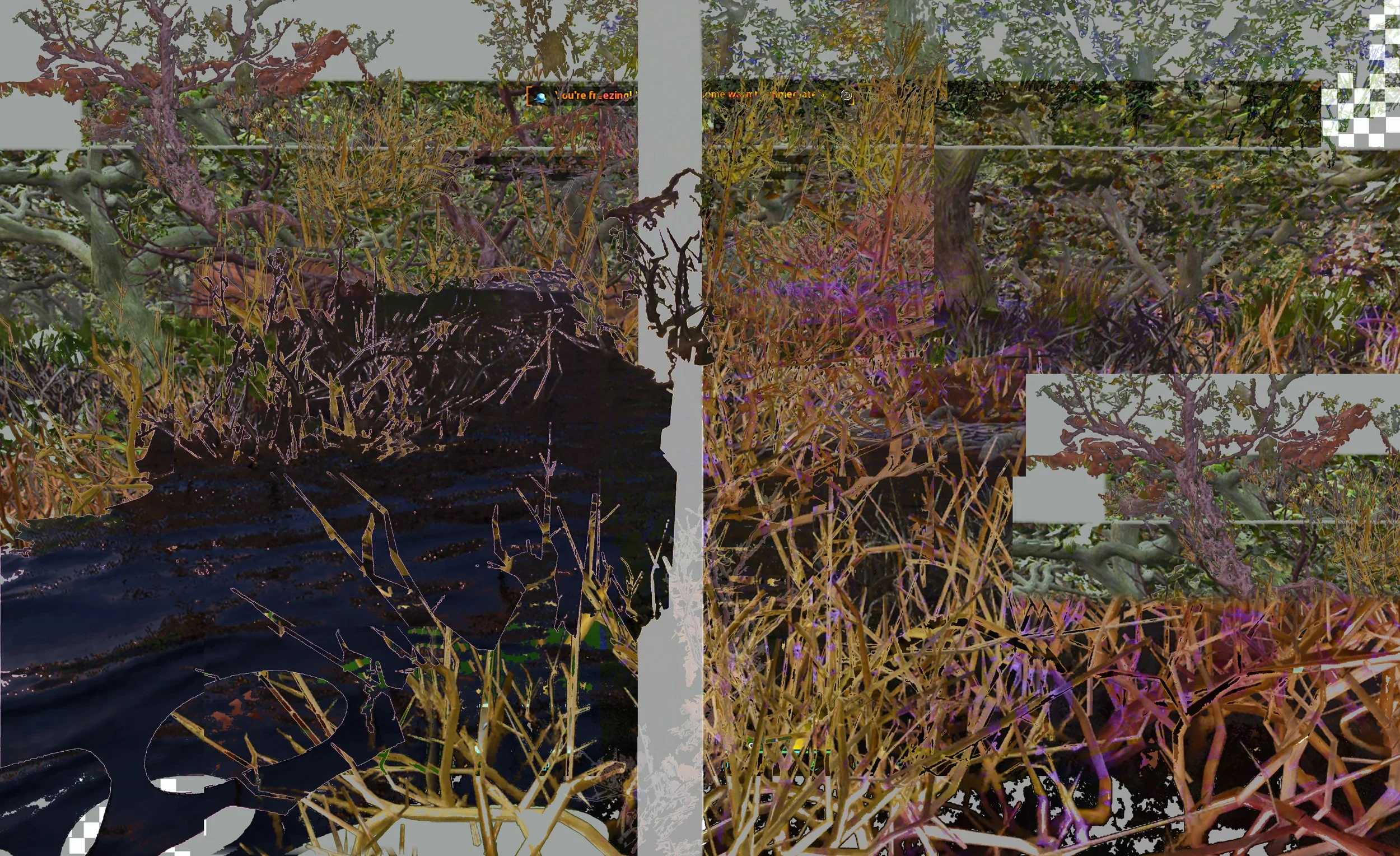
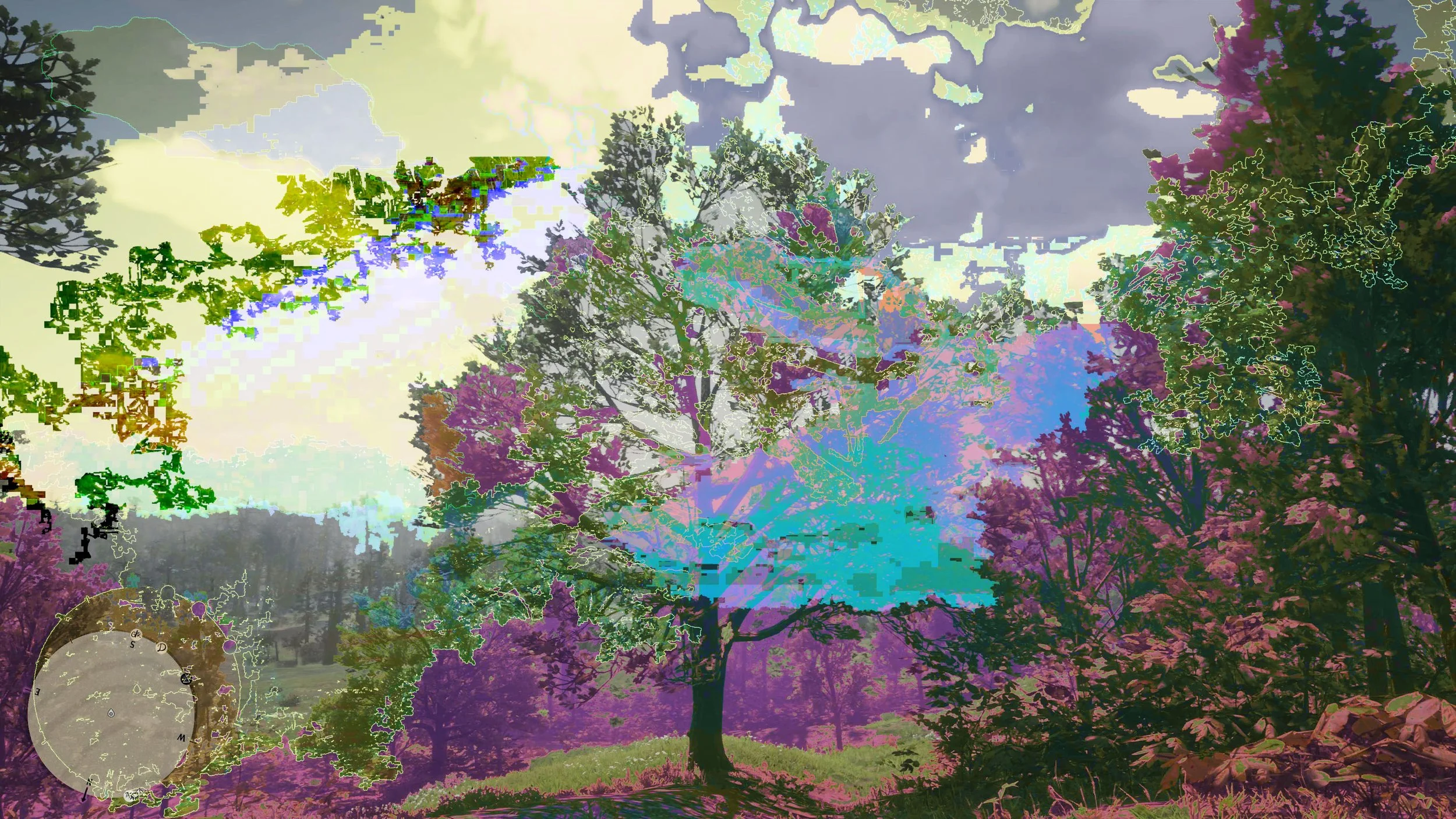
Q: What role does risk, imperfection, or breaking convention play in your work?
A: The whole process. I definitely start the process with this image in my head of what I want, and it always ends up becoming something totally different. I have to let go of that. One of the things that I struggled with for a while — because I was broke — was that I bought these materials, I can't waste them. I had all these materials, and I didn't want to take any of these risks. In terms of, what if I print this image on this nice paper, and then I mess up? Or I don't use it, or it doesn't turn out the way I want, or it doesn't get into any shows?
Taking that away was really integral. And just embracing it — yeah, I paid 50 bucks for this paper, but we're gonna ruin it, because that's how I get to where I need to go.
Q: What do you hope viewers feel, question, or notice when they experience your work?
A: I hope that they question what a photograph is, or can be. I really want people to just experience. I make beautiful work, and I want them to experience the beauty of that. They're going to bring whatever they bring to that image, but I hope they're getting at least some of the ideas that I'm trying to imbue in that piece.
And I hope they're seeing all the time and effort that I put into it. I think a lot with that digital manipulation, and found images, people think that it's not the same amount of work, or it doesn't take the same amount of skill to create, which is inaccurate. I do hope that people see all of the time and energy that goes into them.
Q: What advice would you give to someone considering submitting work to our ALT Gallery?
A: First of all, I think everyone should submit work, because I want to see it.
I would encourage people to think about that display and how that can really change the work. Are you going to just frame it with a white mat and a white frame? Are you going to nail it to the wall? My work is typically mounted on turf. I encourage people to think differently about how that is going to exist, where people can see it, because it doesn't just end once you've made the photograph. Sometimes that's where a lot of your creativity can come in.